Lemonsalt Font for Web Design
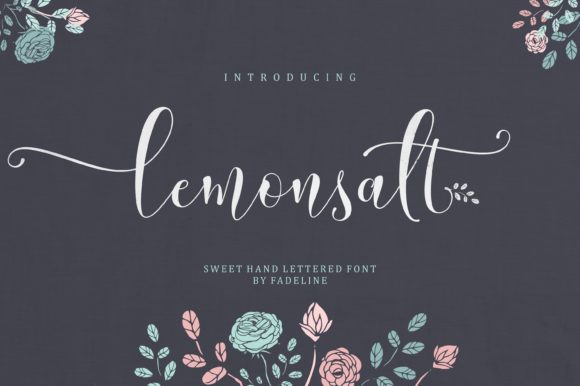
Testing Lemonsalt in a hero section of a boutique online store, I was immediately drawn to its romantic and radiant aesthetic. The font’s handwritten style adds a personal touch that feels both elegant and modern. As a web designer, I always look for fonts that can elevate a brand without sacrificing readability or usability.
Lemonsalt for Creative Portfolios and Branding
Lemonsalt is an ideal choice for creative portfolios where a unique visual identity is key. Its cool feel and radiant personality make it perfect for headers and logos that need to stand out. When paired with a clean sans serif for body text, it creates a balanced design that feels both professional and expressive.
Using Lemonsalt for a portfolio homepage, I noticed how the font’s organic flow complements digital art and photography. It adds a sense of authenticity that resonates with audiences looking for handmade or artisanal experiences. For UI designers, this font works well in subtle accents, such as call-to-action buttons or hover states, without overwhelming the layout.
Lemonsalt for Online Store Banners and Product Pages
In an e-commerce setting, Lemonsalt shines on product landing pages and banner sections. Its handwritten charm gives a personal touch to product titles and promotional copy, making them more engaging. However, I found that it works best when used sparingly—too much text in Lemonsalt can reduce readability, especially on mobile screens.
When testing Lemonsalt over image banners, I made sure to adjust the font size and spacing for optimal legibility. On dark backgrounds, the font maintained good contrast, but on light backgrounds, I increased the weight slightly to ensure it didn’t fade into the background. This attention to detail helps maintain a polished brand experience across different platforms.
Lemonsalt for Coaching Websites and Digital Courses
For a coaching website, Lemonsalt adds a warm and inviting tone that aligns with the brand’s message. Using it for course titles and section headings helped create a cohesive visual language that felt approachable and trustworthy. However, I avoided using it for long paragraphs of text, opting instead for a simpler font for the body copy.
When designing a course sales page, I experimented with Lemonsalt in the headline and subheadline areas. The font’s romantic feel complemented the content’s inspirational tone, making the messaging more compelling. For digital product creators, this font is great for headlines and promotional elements that need to capture attention without being too flashy.
Lemonsalt for Blog Headers and Social Media Graphics
Blogs benefit from Lemonsalt when used in headers and featured images. Its radiant personality adds a fresh and creative energy that stands out in a sea of standard typography. I tested it on a blog redesign project and found that it worked best when paired with a neutral background or a soft gradient.
On social media graphics, Lemonsalt adds a stylish edge that feels authentic and eye-catching. Whether used for captions, quotes, or promotional posts, it brings a handwritten quality that feels more personal than generic fonts. For designers creating content for Instagram or Pinterest, this font is a valuable addition to their design toolkit.
Lemonsalt for Landing Pages and Campaign Materials
When building a campaign landing page, I used Lemonsalt for the main headline and supporting text. Its cool feel gave the page a modern and sophisticated look that aligned with the brand’s goals. However, I kept the font size consistent across devices to ensure it remained readable on all screen sizes.
For small business websites, Lemonsalt is a great option for headers and promotional banners. It adds a level of elegance that can help differentiate a brand from competitors. When used in conjunction with other Script Handwritten fonts, it creates a layered and dynamic typographic hierarchy that enhances the overall design.
Lemonsalt for Logo Design and Visual Identity
Lemonsalt is particularly effective for logo design, where a unique and memorable typeface is essential. Its handwritten style gives a personal and artistic flair that works well for brands in the fashion, wellness, or lifestyle industries. When designing a logo, I focused on the font’s natural flow and adjusted the spacing to ensure it looked clean and professional.
For digital brand kits, Lemonsalt can be used consistently across various assets, from website headers to email templates. Its versatility makes it a valuable tool for maintaining a cohesive brand identity. When working with clients, I always check if the font includes multiple weights and styles to support different design needs.
Lemonsalt for Responsive Layouts and Mobile Screens
Testing Lemonsalt on mobile layouts, I found that it performs well when used for short phrases and headings. However, I noticed that smaller text sizes could become less legible, especially on low-resolution screens. To address this, I increased the line height and adjusted the font size for better readability.
For responsive designs, I recommended using a lighter weight of Lemonsalt for mobile views and a bolder weight for desktop displays. This approach ensures the font remains clear and impactful across different devices. When overlaying text on images, I made sure to use a semi-transparent background to improve contrast and legibility.
Lemonsalt for Webfont Availability and Commercial Use
Before implementing Lemonsalt on a live website, I checked the font’s webfont availability and licensing terms. It’s important to ensure that the font is properly licensed for commercial use, especially when working on client projects or online stores. Most premium fonts include webfont formats like WOFF and WOFF2, which are optimized for fast loading and cross-browser compatibility.
When selecting a font for a digital project, I always consider the file size and performance impact. Lemonsalt’s file size is reasonable, making it a practical choice for most websites. For designers who need multilingual support, I recommend checking if the font includes extended character sets for different languages and scripts.